Breaking the Stigma: Why Menstrual Health Matters
-
Posted In : category
-
30 : comments
Menstrual health is more than just a monthly occurrence—it's a human rights issue. It touches on health, education, dignity, and gender equality. And yet, despite being a natural part of life for over half the population, menstruation remains shrouded in stigma and silence in many parts of the world.
In developing countries, the consequences of this silence are profound. Studies show that 1 in 10 girls miss school during their periods due to lack of access to sanitary products, clean water, or safe and private toilet facilities. For many, menstruation marks the beginning of missed opportunities—not just missed classes.
The Hidden Impact on Girls' Lives
When girls stay home during their periods, the academic gap begins to widen. Days missed turn into weeks of falling behind. This affects not only their academic performance but also their confidence and self-esteem. Over time, some may even drop out of school entirely—especially in rural areas where menstruation is viewed as shameful or impure.
This isn't just about physical products. It’s about access to information, support, and safe environments. Without proper menstrual health education, myths and misinformation persist, creating shame where there should be understanding and pride.
Menstrual Health is a Matter of Dignity
No one should have to choose between managing their period and attending school. No girl should feel embarrassed, excluded, or unworthy because of a biological process she cannot control. Menstrual health is about restoring dignity and equality—giving every girl the chance to thrive without barriers.
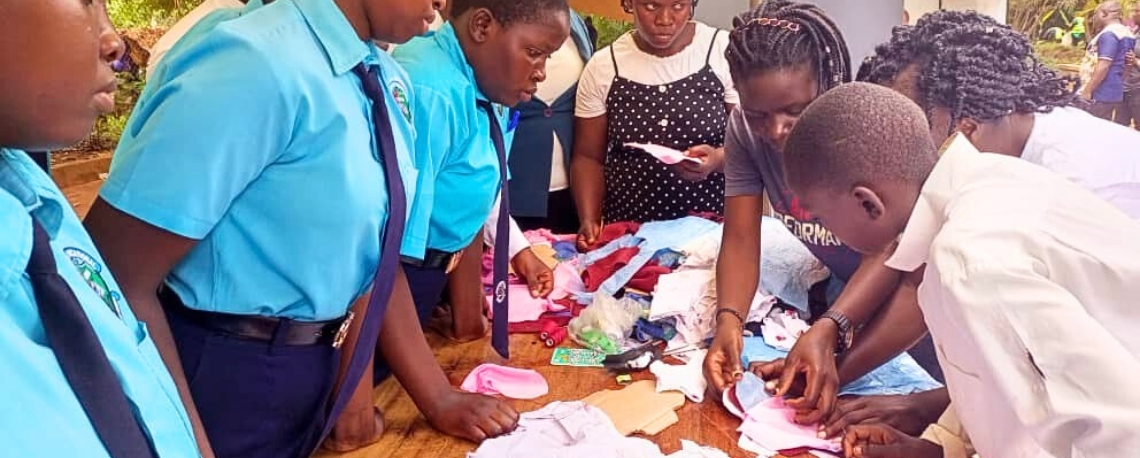
It’s also about normalizing the conversation. When communities, especially boys and men, are engaged in menstrual health awareness, we create inclusive support systems that help break generational cycles of shame and silence.
Taking Action Together
Addressing menstrual health requires a multi-faceted approach:
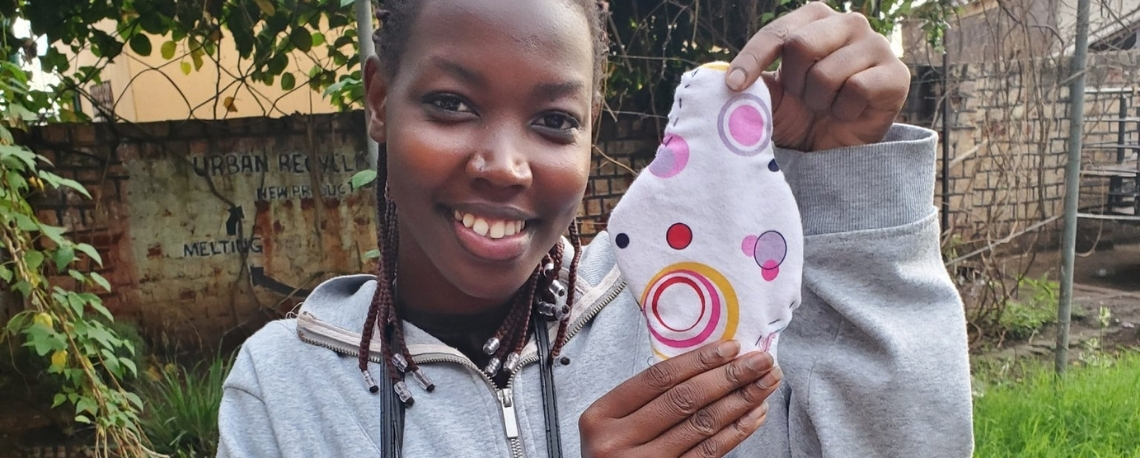
Providing free or affordable menstrual products
Improving sanitation infrastructure in schools and communities
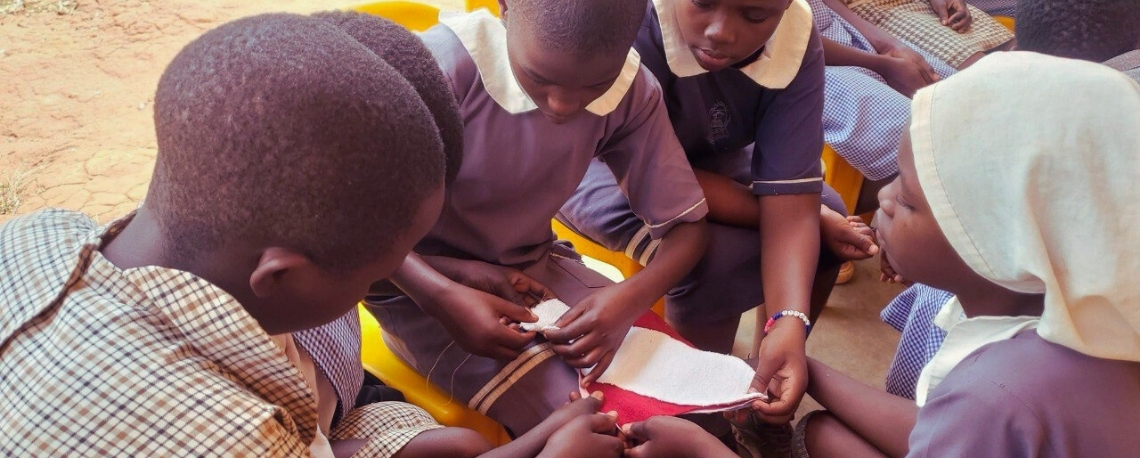
Incorporating menstrual education into school curricula
Challenging taboos and encouraging open dialogue
Local organizations, youth-led movements, and global health advocates are already making strides—but there is still much to be done. Change begins with conversation, and action follows awareness.
Together, we can create a world where periods don’t pause progress.